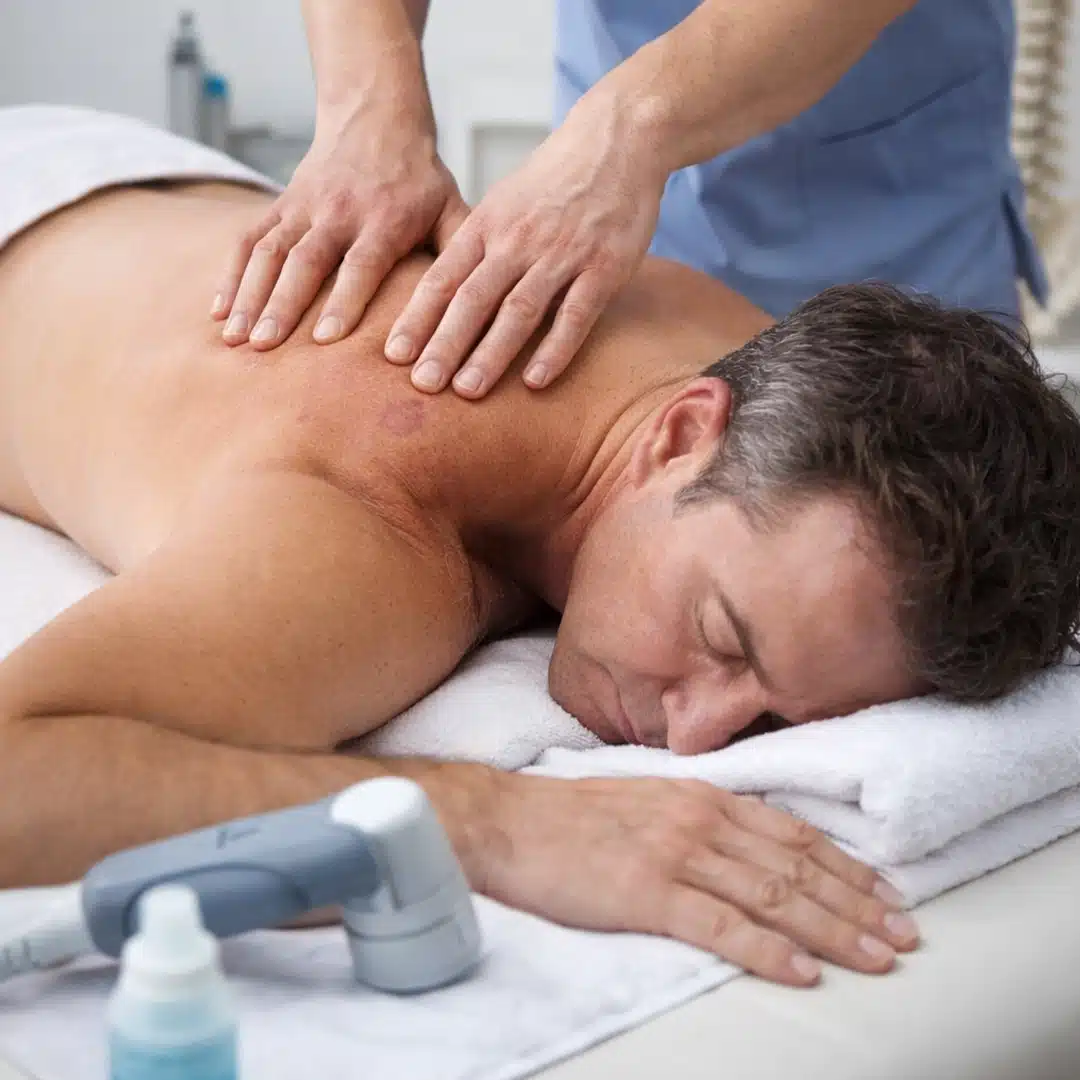
If your body feels stiff, restricted, or “locked up” — even when muscles don’t feel sore — fascial tension may be contributing to your discomfort.
At McNamara Massage Therapist, Myofascial Release focuses on easing restrictions in the connective tissue that surrounds muscles, helping restore movement, comfort, and balance throughout the body.
What Is Myofascial Release?
Myofascial Release is a specialized massage technique that targets the fascia — a web-like connective tissue that surrounds and supports muscles, joints, and organs.
When fascia becomes tight or restricted due to stress, injury, posture, or repetitive movement, it can limit mobility and create discomfort that feels diffuse rather than localized.
Unlike traditional massage, myofascial release uses slow, sustained pressure and gentle stretching to allow the fascia to soften and lengthen.
How Myofascial Release Sessions Work
Each session begins with a brief discussion of your symptoms, movement restrictions, and areas of concern.
Based on this information, McNamara Massage Therapist may:
- Apply slow, sustained pressure to restricted areas
- Use gentle stretching to encourage fascial release
- Allow time for tissues to respond and soften
- Address tension patterns across multiple areas
This work is typically gentle to moderate in pressure and focuses on listening to the body rather than forcing change.
Understanding Fascial Restrictions and Movement
Fascial tension can affect how muscles and joints move together, sometimes creating discomfort far from the original restriction.
Clients often describe fascial tension as:
- A pulling or tight sensation
- Widespread stiffness
- Limited flexibility without sharp pain
- Discomfort that shifts or changes location
Myofascial release is often used alongside therapeutic massage or trigger point massage depending on individual needs.
Gentle, Patient-Centered Care
Your comfort and safety are always the priority.
McNamara Massage Therapist works slowly and checks in throughout the session. Myofascial release should feel relieving and restorative — not forceful or painful.
Sessions are conducted in a calm, supportive environment designed to promote relaxation and body awareness.
Common Reasons Clients Choose Myofascial Release
Restricted Mobility or Stiffness
Fascial release can help restore freedom of movement when muscles feel tight or bound.
Chronic Tension Without Clear Muscle Knots
When discomfort doesn’t respond to typical massage, fascial work may help address deeper restrictions.
Postural or Movement Imbalances
Prolonged sitting, repetitive tasks, or stress patterns can create fascial tension that benefits from slow, targeted release.
Benefits of Myofascial Release
Improved Flexibility and Mobility
Releasing fascial restrictions allows muscles and joints to move more freely.
Reduced Tension and Discomfort
As fascia softens, overall tension often decreases.
Enhanced Body Awareness and Balance
Many clients feel more connected to their body and notice improved movement patterns.
Why Choose McNamara Massage Therapist?
Thoughtful, Individualized Sessions
Each myofascial release session is tailored to how your body responds — not a preset routine.
Gentle, Experienced Care
McNamara Massage Therapist provides patient-focused treatment with attention to comfort and effectiveness.
Convenient Lighthouse Point Location
Located at 3320 N. Federal Highway in Lighthouse Point, FL — serving clients from Pompano Beach, Deerfield Beach, and nearby communities.
What to Expect During Your Myofascial Release Session
Your First Visit
Your appointment typically includes:
- Discussion of movement concerns and comfort level
- Slow, targeted myofascial release techniques
- Time to relax and integrate afterward
Ongoing Sessions and Care Planning
Some clients benefit from a series of sessions to address long-standing fascial restrictions, followed by maintenance care.
When Will You Notice Results?
Many clients feel changes in movement or tension after the first session, with continued improvement over time.
Insurance, Pricing, and Wellness Investment
Payment Options
Myofascial release massage is typically self-pay. Pricing and session options are discussed before treatment.
The Value of Fascial Health
Supporting fascial mobility can help improve comfort, posture, and long-term movement quality.
Frequently Asked Questions About Myofascial Release
Is myofascial release painful?
No. Pressure is gentle and applied slowly. It should feel relieving, not painful.
Do I need to undress?
Depending on the area treated, sessions may be performed with minimal draping or over clothing.
How is myofascial release different from deep tissue massage?
Myofascial release focuses on fascia using slow pressure, while deep tissue targets deeper muscle layers.
Who benefits most from myofascial release?
Clients with stiffness, restricted movement, or chronic tension often find it helpful.
Schedule Your Myofascial Release Massage in Lighthouse Point
If stiffness or restricted movement is limiting your comfort, schedule your Myofascial Release session with McNamara Massage Therapist today.