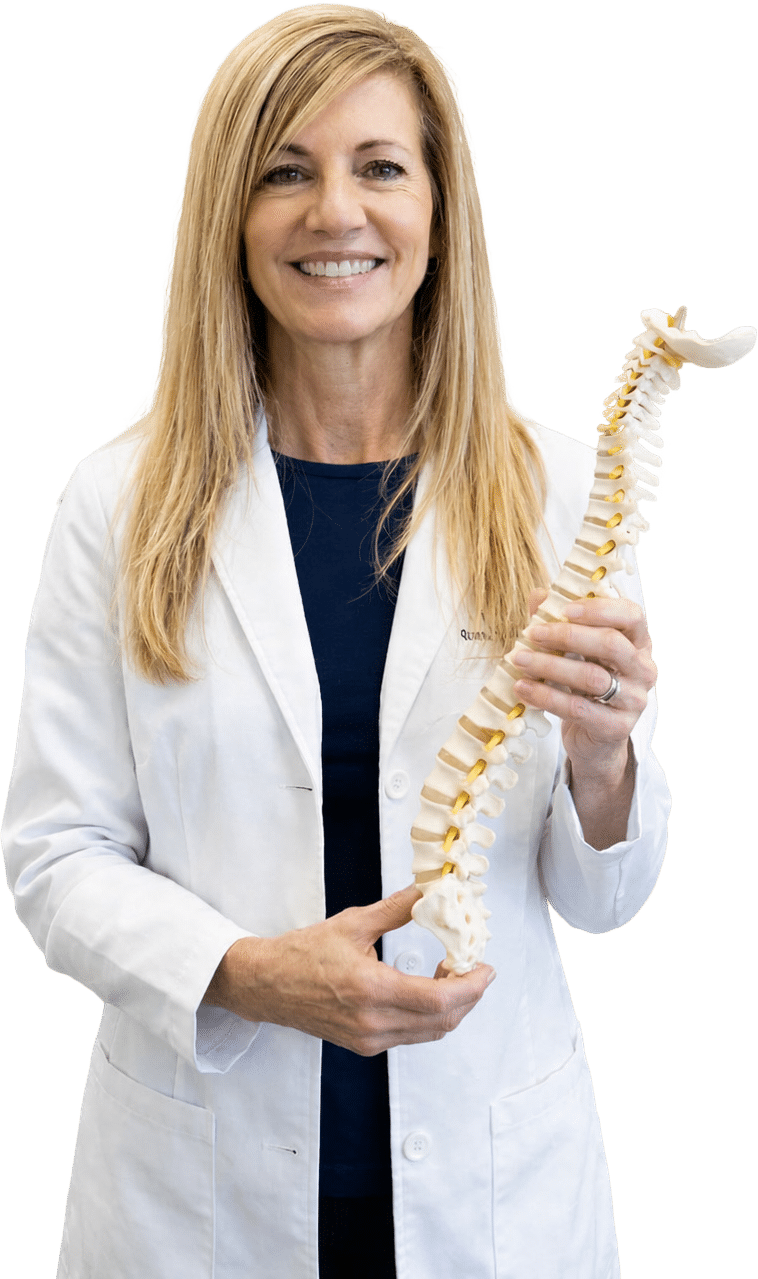
Disc herniation affects millions of people and can cause intense back or neck pain that radiates into the arms or legs. At McNamara Chiropractic Center, Dr. Carol McNamara provides non-surgical, evidence-informed care for disc herniation to help reduce nerve irritation, improve mobility, and support natural recovery.
We serve Lighthouse Point and surrounding South Florida communities from our convenient location at 3320 N. Federal Highway, Lighthouse Point, FL 33064.
A disc herniation occurs when the soft inner portion of a spinal disc pushes through the outer layer, potentially irritating nearby nerves. That irritation can create radiating symptoms like leg pain, numbness, tingling, or weakness — often paired with persistent back pain.
Disc problems can develop suddenly or gradually. Many people experience disc herniation after a lifting injury, twisting movement, or fall — while others develop disc changes over time due to wear-and-tear.
Common risk factors include:
During your evaluation, Dr. McNamara looks for mechanical contributors that keep discs stressed — so your care is focused on correction, not just temporary symptom relief.
Disc herniation symptoms depend on where the disc is located and whether a nerve is involved. Many patients describe symptoms that come and go, worsen with sitting, or flare up during certain movements.
Common symptoms include:
If your disc irritation is creating radiating nerve pain, you may also be experiencing sciatica symptoms.
At McNamara Chiropractic Center, care begins with a detailed assessment to determine what’s driving your symptoms — and which movements or structures are contributing to disc stress.
Your evaluation may include:
From there, Dr. Carol McNamara builds a plan focused on reducing nerve irritation and improving spinal mechanics. This often includes:
Disc cases often improve best when care is comprehensive. When clinically appropriate, Dr. McNamara may incorporate supportive therapies to help calm inflammation, relax tight muscles, and promote healing.
Imaging Review (When Needed)
If X-rays or other imaging are necessary (or if you already have imaging), Dr. McNamara uses findings to guide safe treatment decisions.
Rehab & Home Guidance
Simple, targeted movements can reduce flare-ups and improve long-term outcomes — especially for patients who sit a lot or have recurring back pain.
Disc herniation often overlaps with other conditions and symptom patterns, including:
Natural Pain Relief
By reducing nerve irritation and improving mechanics, many patients experience relief without relying on medications.
Improved Mobility
As inflammation calms and joints move better, everyday activities become easier and less painful.
Non-Surgical Approach
Conservative care is often the preferred first step before exploring invasive options.
Better Long-Term Stability
Addressing posture and movement patterns helps reduce future flare-ups.
Led by Dr. Carol McNamara
Personalized chiropractic care focused on function, comfort, and real outcomes.
Root-Cause Focus
We don’t just “chase symptoms.” We look for the mechanical reasons discs stay irritated.
Local Lighthouse Point Care
Conveniently located at 3320 N. Federal Highway, Lighthouse Point, FL 33064.
First Visit (45–60 minutes)
A detailed evaluation, explanation of findings, and a clear care plan. Treatment may begin the same day if appropriate.
Follow-Up Visits
Typically shorter visits focused on progress, relief, and restoring function. Frequency decreases as you improve.
Home Support
Practical guidance for sitting, sleeping positions, daily movement, and gentle exercises as needed.
Coverage varies by plan, but chiropractic care is commonly included in many insurance policies. Our team can help verify benefits and explain options before you begin care.
Flexible payment options may be available for self-pay patients.
How long does it take to feel relief?
Some patients notice improvement quickly, while others need several weeks depending on disc severity, nerve irritation, and how long symptoms have been present.
Does a herniated disc always require surgery?
No. Many cases improve with conservative care and time, especially when the underlying mechanical stress is addressed.
How do I know if my pain is disc-related?
Radiating pain, numbness, tingling, or symptoms that worsen with sitting or bending can be signs. A proper evaluation can help confirm what’s driving your symptoms.
What should I avoid with disc herniation?
It depends on your case, but many patients flare with prolonged sitting, repeated bending, and twisting. Dr. McNamara will give personalized guidance after your exam.
If your disc pain is limiting your life, you don’t have to “just live with it.”
Schedule your evaluation with Dr. Carol McNamara at McNamara Chiropractic Center and get a plan focused on relief, function, and long-term stability.